For years we’ve asked which jobs technology will replace.
Lately, I’ve found myself asking a different question.
Which skills will we fight to preserve?
Not because machines couldn’t eventually do them.
But because we wouldn’t want them to.
There are some things people don’t simply want done.
They want them done by another human being.
The Human Hand Is the Feature

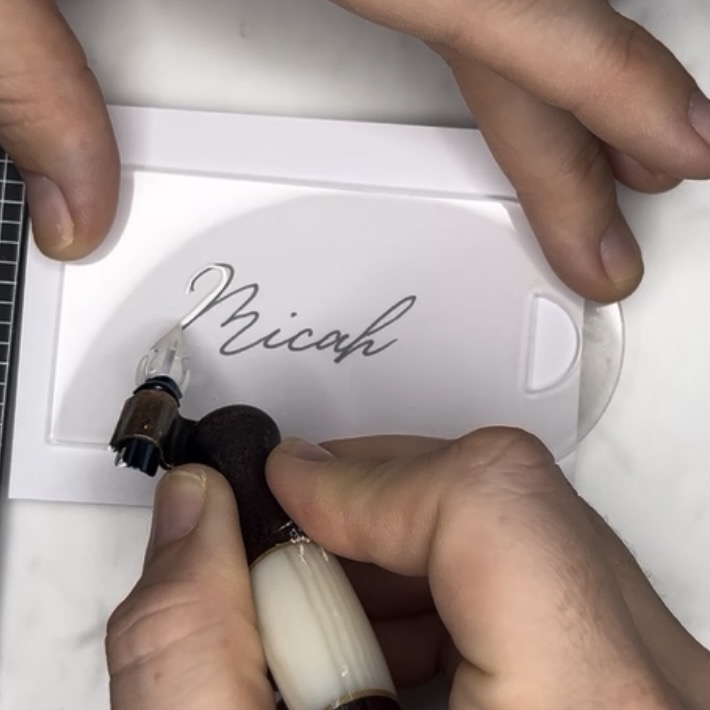
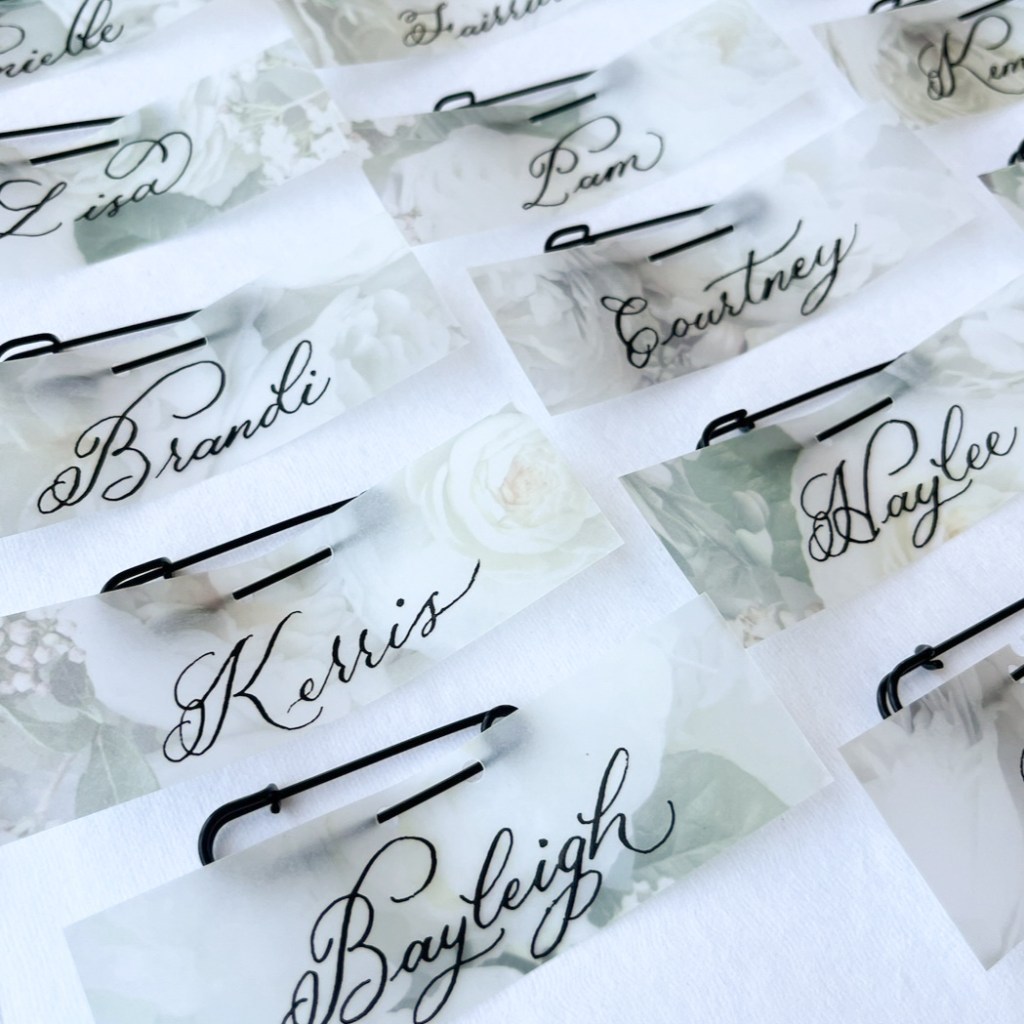
When I engrave a bottle or write with a pointed pen, I’m not trying to eliminate every tiny variation.
I’m trying to create something no machine could ever make in exactly the same way.
The slight differences are proof that another person made it.
Years of practice become visible in the movement of a hand. Patience becomes visible in the spacing between letters. Care becomes visible in the tiny decisions that no one notices consciously but everyone feels.
The human hand isn’t a flaw to overcome.
It’s the feature.
Preserving a Craft
Recently, I’ve been thinking about a conversation within the calligraphy community.
There is no universal certification that declares someone “officially” a calligrapher. No governing body decides when someone has earned the right to teach.
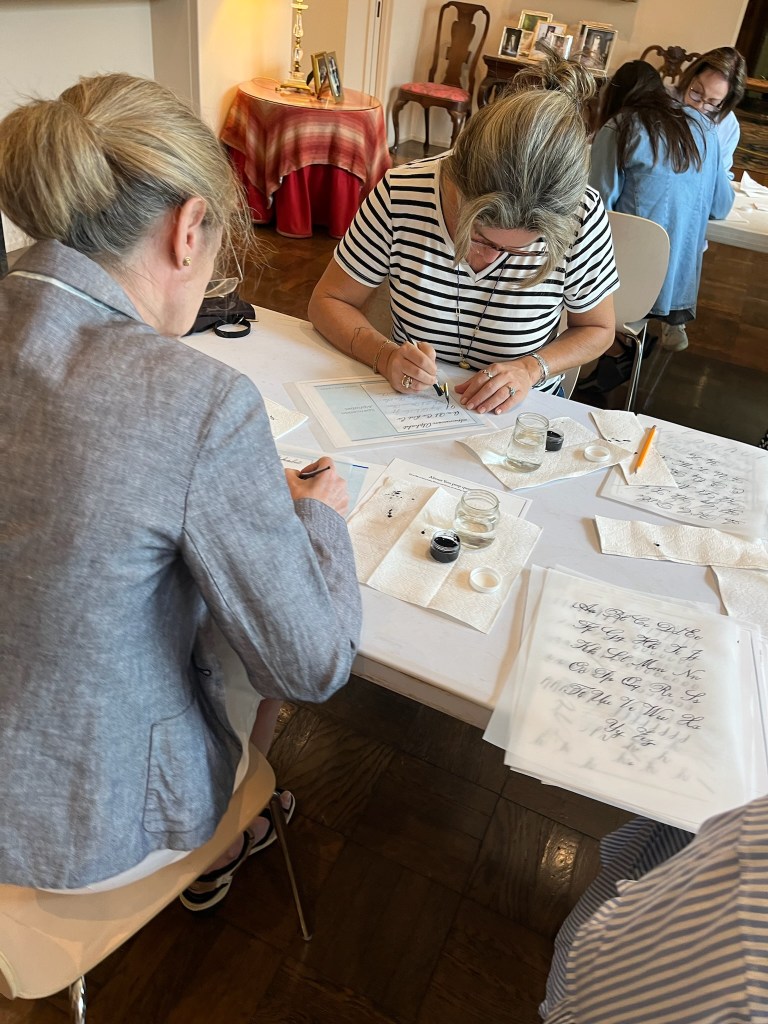

Some artists worry that beginners teaching too soon dilutes the craft. Others believe every new person who discovers calligraphy becomes another person who values beautiful lettering and helps keep the art alive.
I find myself somewhere in the middle.
Mastery deserves respect.
Years of disciplined practice matter.
There is no substitute for experience.
At the same time, every person who learns calligraphy becomes another person who notices the difference between handwriting and lettering. Another person who begins paying attention. Another person who chooses handmade over disposable.
The goal shouldn’t be gatekeeping.
The goal should be preserving the craft by inviting people into it.
What We Choose to Preserve
The same question exists far beyond calligraphy.
Blacksmithing, glass blowing, leatherwork, furniture making, pottery, wood turning, knife making, bookbinding, engraving, and hand lettering all ask something similar of the people who practice them. They require patience, discipline, years of repetition, and the willingness to let another human being’s hands remain visible in the finished work.
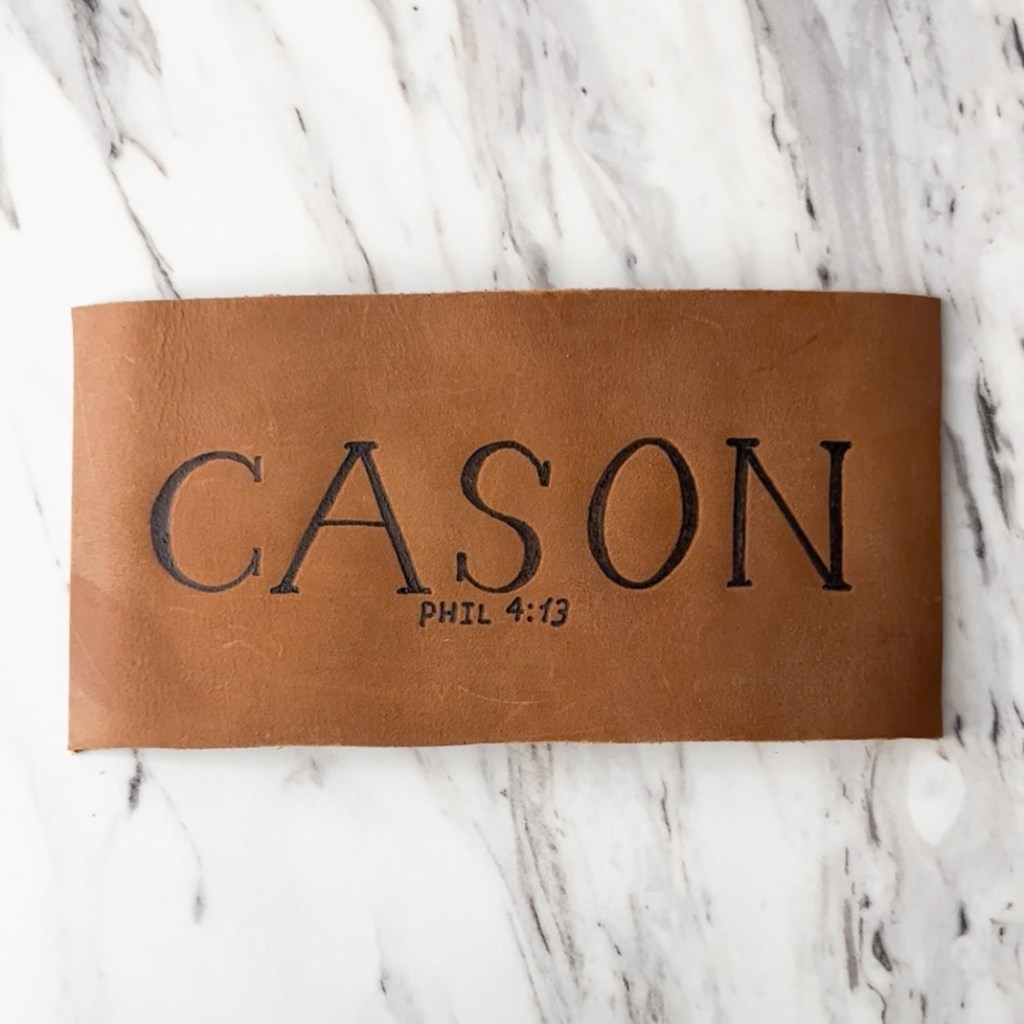
Every generation inherits crafts that could quietly disappear if no one chooses to continue them.
The wonderful thing is that preserving them doesn’t only happen by becoming an artisan yourself. It also happens when you commission handmade work, attend a class, choose the handmade mug over the factory one, or simply stop to watch someone engrave a bottle or throw a pot on the wheel.
Every person who values craftsmanship becomes part of preserving it.
A Human Future
Technology will continue changing the way we work.
I don’t fear that.
Many of those changes will make life better.
But I hope we continue making room for the crafts that ask something different of us.
The crafts that require patience.
Practice.
Attention.
Another human being on the other side of the work.
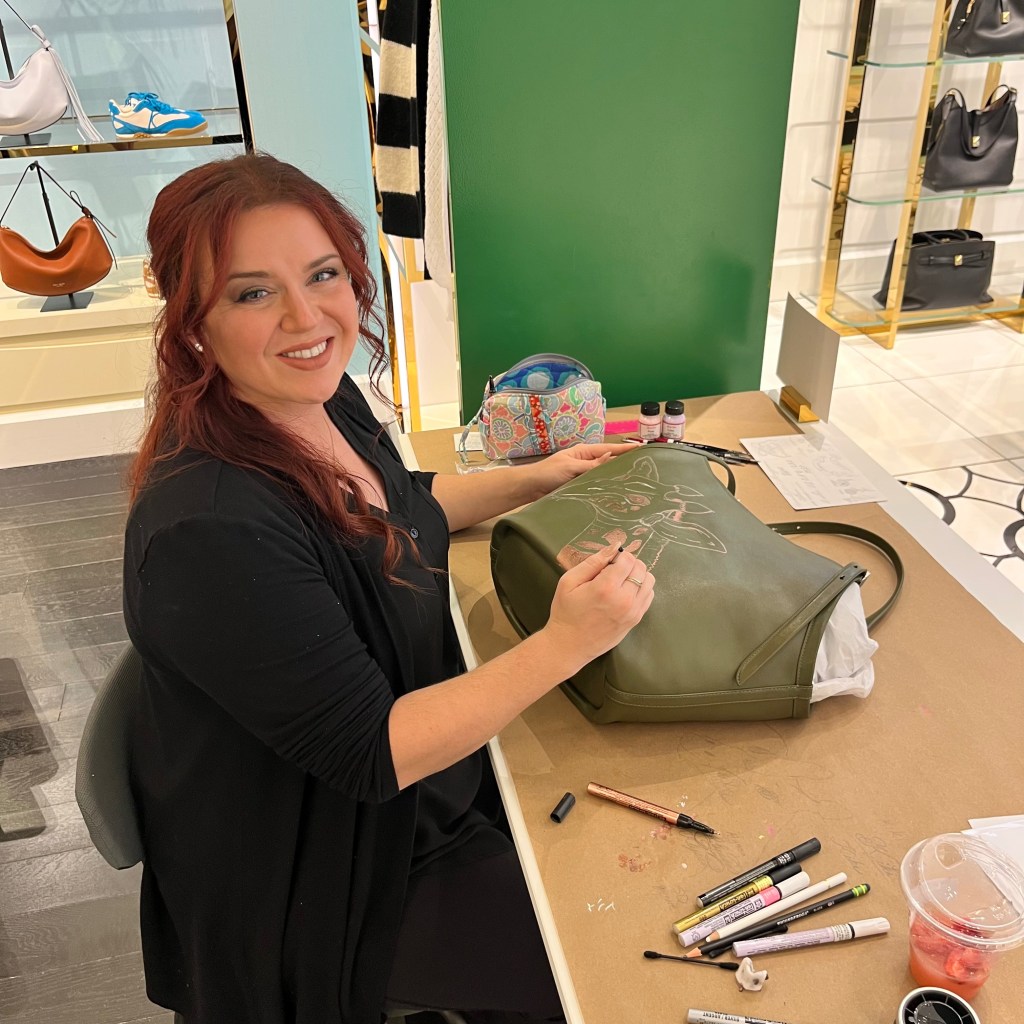
Because sometimes the most valuable thing about an object isn’t that it was made perfectly.
It’s that someone cared enough to make it by hand.
Perhaps that’s why some crafts refuse to disappear.
Not because they’re more efficient.
But because they remind us what it means to be human.
Ready to Create Something Meaningful?
Whether it’s live engraving, calligraphy, bottle painting, or another handmade keepsake, I believe the objects we treasure most often carry visible evidence of the person who made them.
Those small human details aren’t imperfections.
They’re the reason the work matters.
If you’re looking to create something meaningful, I’d love to help bring your story to life.


Leave a Reply