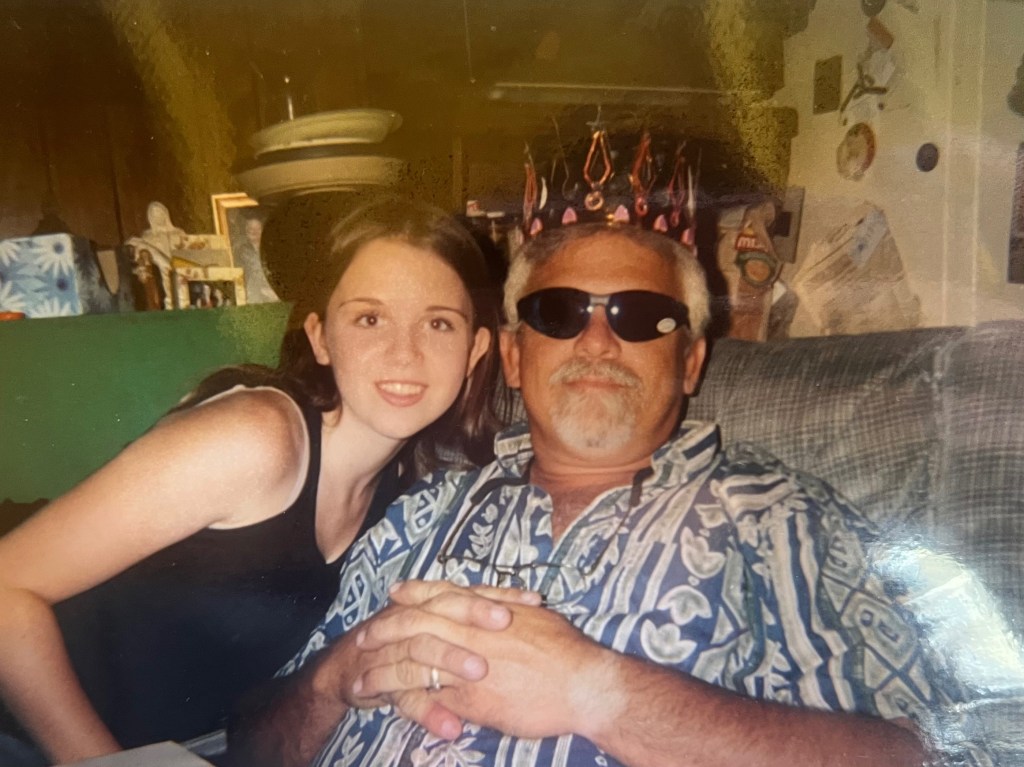
People often ask how I became a calligrapher.
The truth is, the story starts long before Wofford Calligraphy.
Long before weddings, engraving, bottle painting, and pointed pens.
Before I was a calligrapher, I was a sign painter’s daughter.
Growing up, I spent time around paint, lettering, and signs in various stages of completion. There were brushes. Sketches. Layouts. Letterforms. The smell of paint. The quiet concentration that seemed to settle over a project while it was being worked on.
At the time, none of it felt unusual.
Children rarely recognize the significance of the things that surround them every day. They assume everyone’s dad can make words beautiful. They assume everyone grows up watching letters take shape by hand.
I didn’t know I was watching craftsmanship.
I didn’t know I was learning something that would stay with me for the rest of my life, something that would one day help carry me and my own family the way it had carried my dad and ours.
I certainly didn’t know I was seeing the earliest hints of my future career.
The Things That Were Passed Down
The older I get, the more I realize my father wasn’t simply teaching me how signs were made.
He was teaching me how to see.
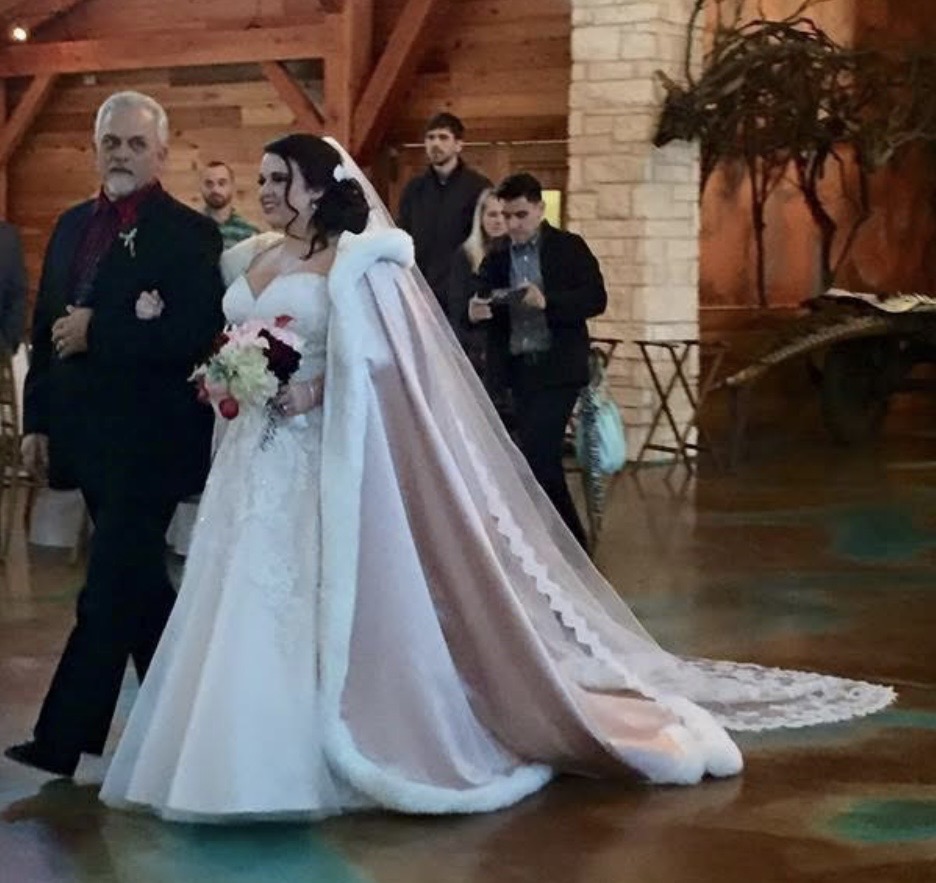
Some of those lessons were practical.
How to steady your hand with your breathing.
How to spray paint in light passes rather than trying to cover everything at once.
How to look at the space between letters instead of only the letters themselves.
How to notice when two lines that should be parallel aren’t quite parallel.
How to measure spacing with your eye.
How to slow down long enough to notice details other people miss.
As an autistic person, some of those things didn’t come naturally to me. My dad had a way of explaining them patiently, breaking visual concepts into pieces I could understand.
He taught me that good lettering wasn’t accidental.
It was intentional.
Not perfectionism.
Attention.
Craftsmanship isn’t perfectionism.
It’s attention.
It’s caring enough to notice.
It’s taking the time to make something right because details matter.
Many of those lessons followed me long after I left his shop, eventually finding their way into my own work.
An Apprenticeship I Didn’t Recognize at the Time
Looking back, one of the greatest gifts my father gave me was something I didn’t even recognize while it was happening.
An apprenticeship.
Not the formal kind.
The kind that happens when a child is allowed to linger.
To watch.
To ask questions.
To be taken seriously when they do.
I spent years in my father’s shop. Long before I became a business owner myself, I was watching how he worked.
Not just how he painted signs.
How he solved problems.
How he estimated projects.
How he priced work.
How he kept records.
How he filed taxes.
How he decided which shortcuts were worth taking and which weren’t.
By the time I was a teenager, I was helping in the office and beginning to understand the business behind the craftsmanship.
What I didn’t realize then was that I wasn’t simply learning a trade.
I was learning how a life could be built around craftsmanship.
More importantly, I was learning what kind of person craftsmanship could shape you into.
Even now, I still call my dad when I can’t identify a font, need help creating a stencil, or am trying to solve a fabrication problem. He still knows the mathematical shortcuts, the practical solutions, and the tricks that come only from decades of experience.

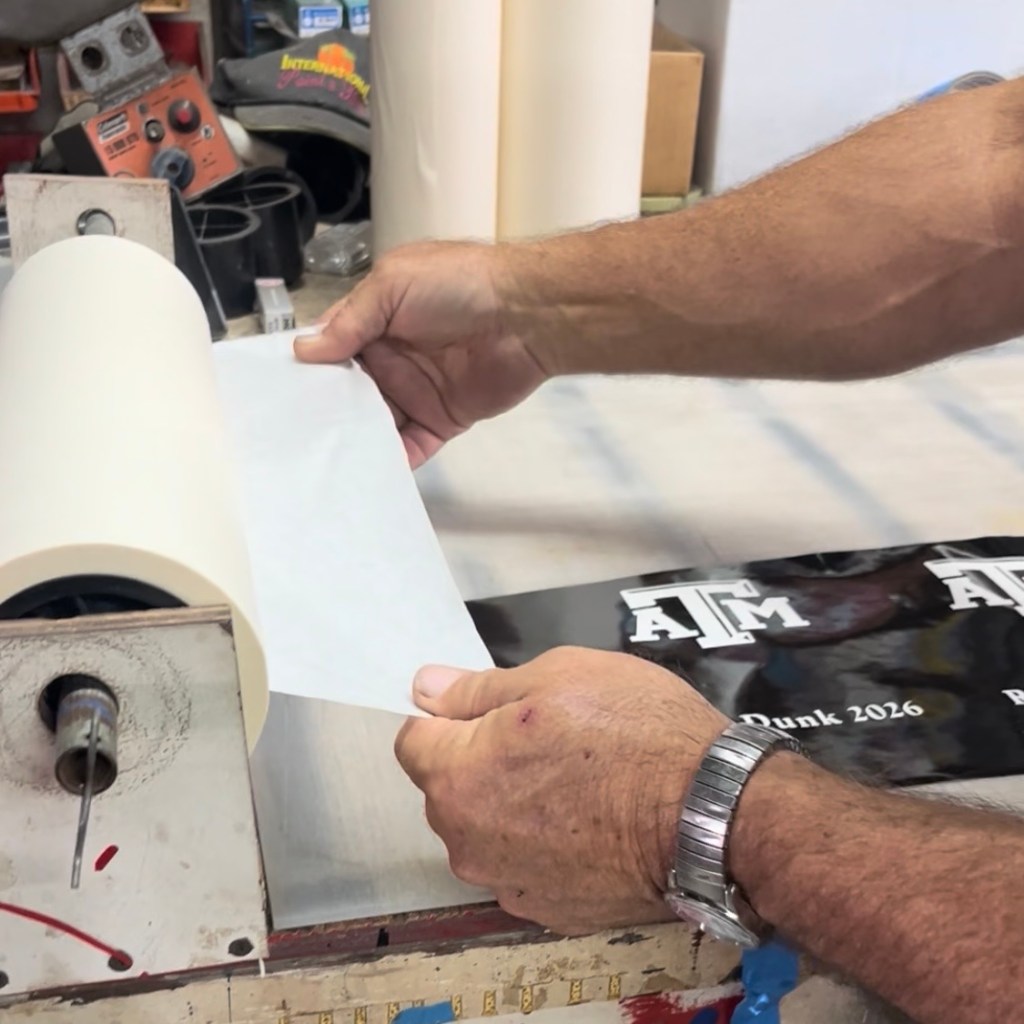
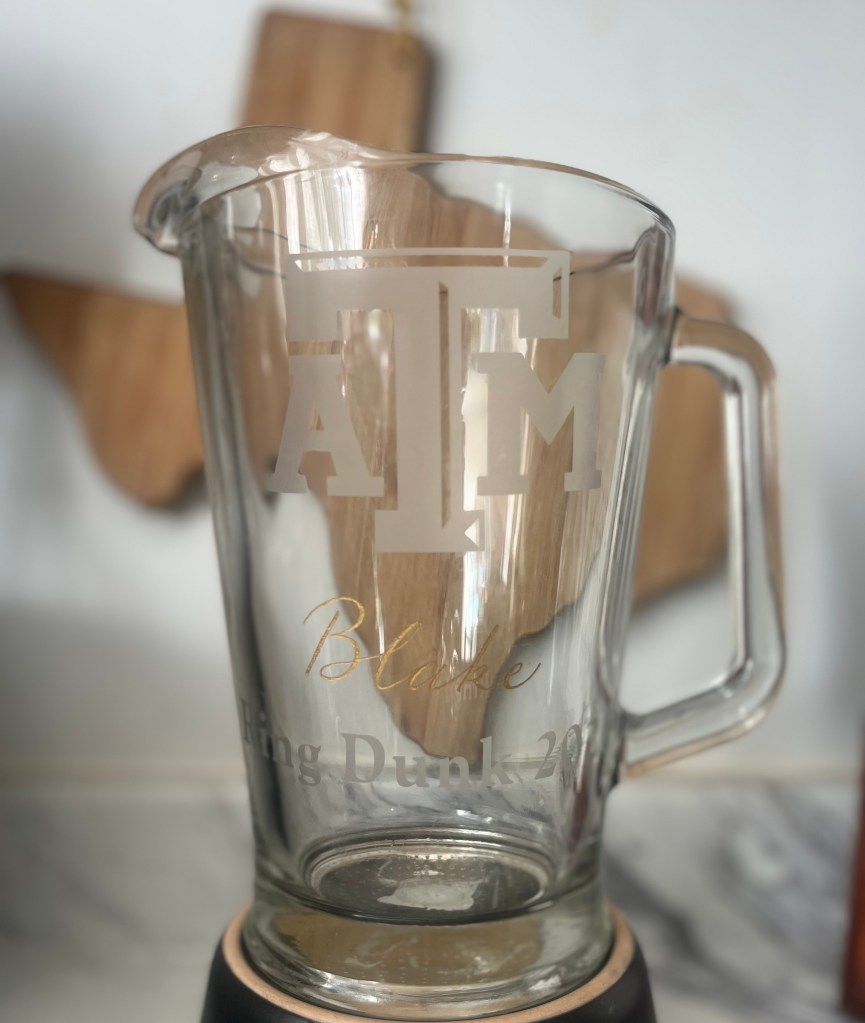
But perhaps the most important thing he taught me was his philosophy of work.
Do it right the first time.
Not because perfection is possible.
But because attention matters.
There is a difference between perfectionism and craftsmanship.
Perfectionism is fear.
Craftsmanship is care.
My father taught me the second.
And I suspect I’ll carry that lesson for the rest of my life.
The Rest of the Story
My mother shaped this story too, though in a very different way.
My father taught restraint and precision. My mother taught expression and self-discipline.
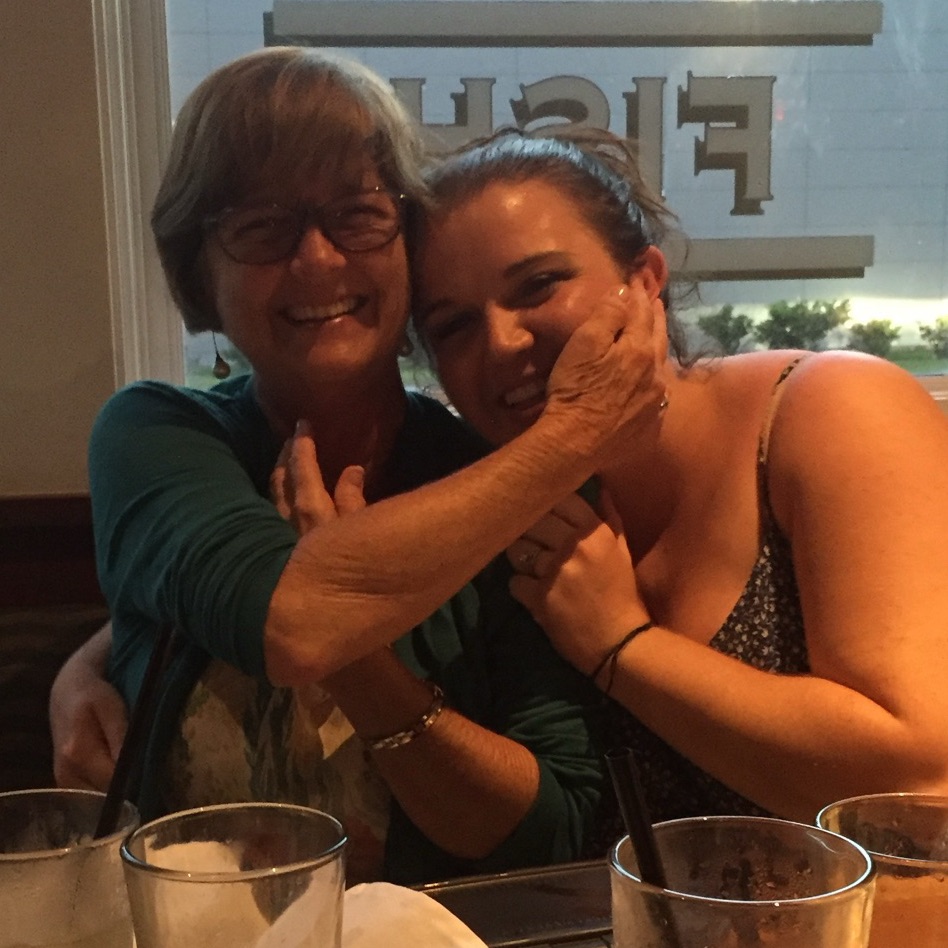
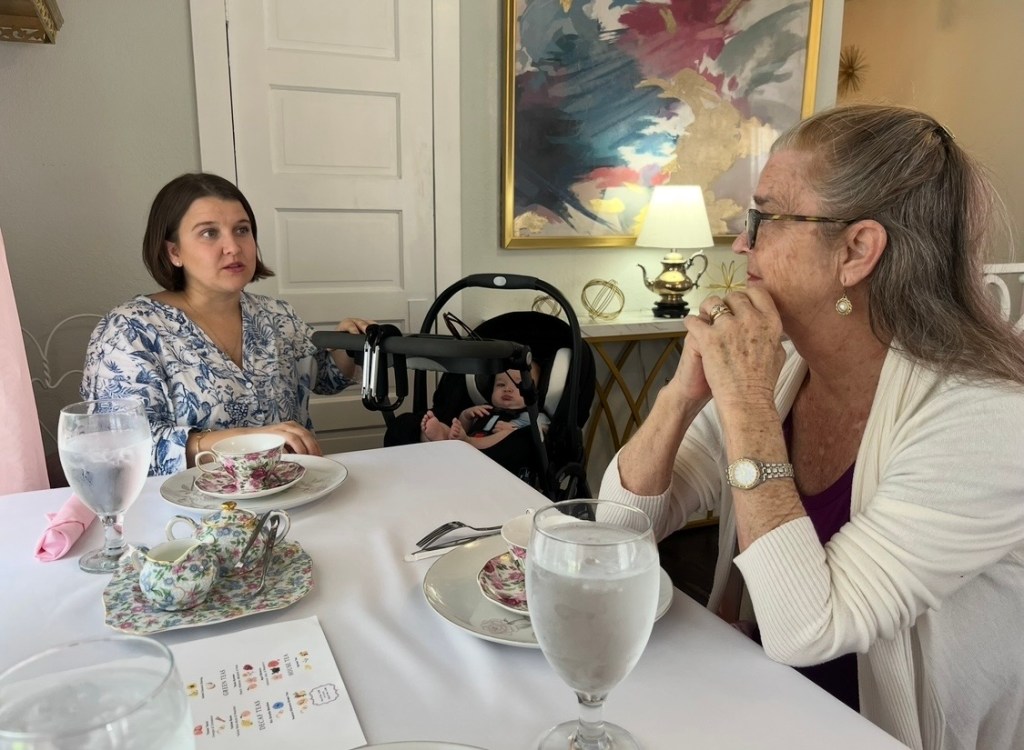
She insisted we write thank-you notes by hand. She introduced me to cursive in a way that felt magical rather than mandatory. By four years old, I was happily writing names in loops and swirls simply because I loved them.
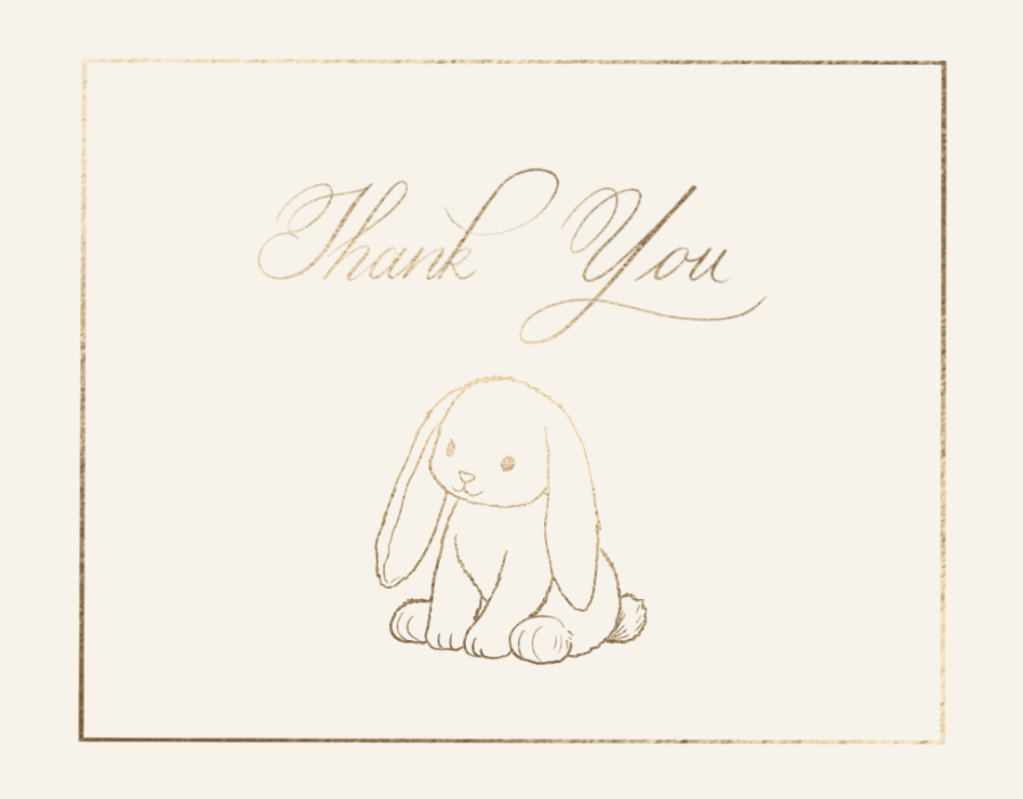
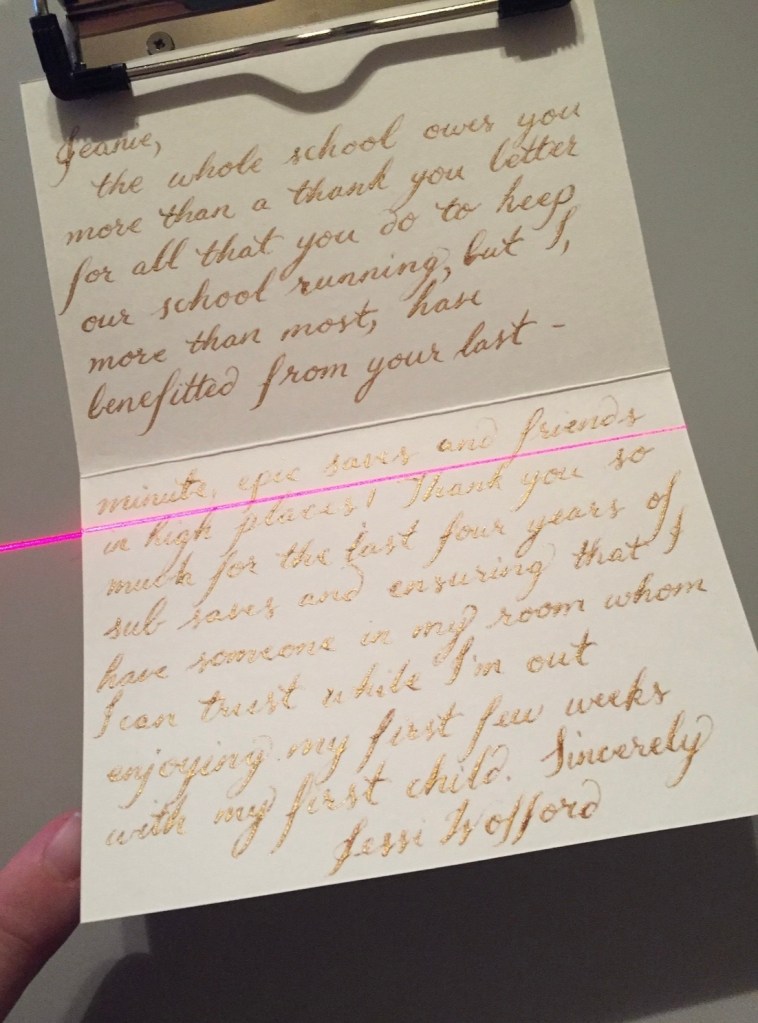
But more than that, she taught me to share what was inside.
My father was steady and observant. My mother was passionate and expressive.
One taught me to slow down and pay attention.
The other taught me not to hold things in.
And while they approached life very differently, they both taught discipline.
My father’s discipline looked like patience, precision, and attention to detail.
My mother’s looked like perseverance.
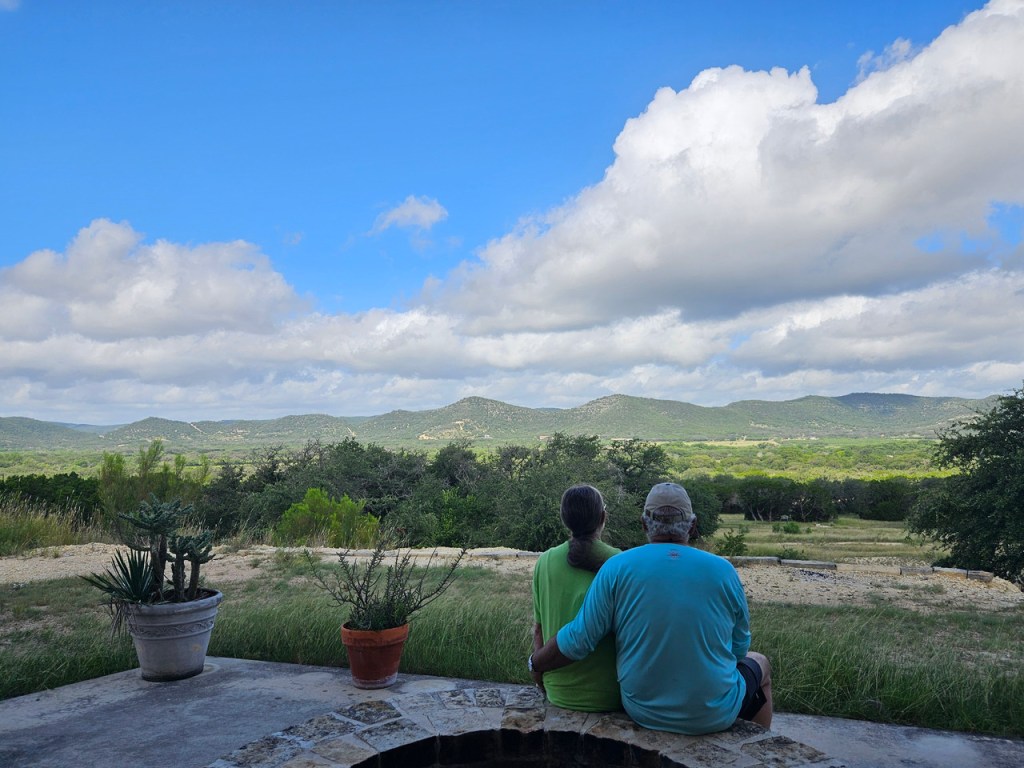
She is and was stubborn in the best possible way. When something mattered, she stayed with it. The thank-you notes got written. The cursive got practiced. The work got done.
Looking back, I can see both influences in my calligraphy.
The patience required to sit down and practice the same letterform over and over again.
The persistence required to keep going when it doesn’t look right yet.
The willingness to start again.
The discipline to keep showing up.
My mother turned on the faucet.
My father taught me how to guide the flow.
And somewhere between those two gifts, I became an artist.
Looking back, my father wasn’t the only creative influence in my life. My grandmother painted beautiful landscapes. She would have my sister and I over regularly for arts and crafts days to dye eggs at easter time, to learn to paint our first paintings, and to guide us in all things paint and beauty.
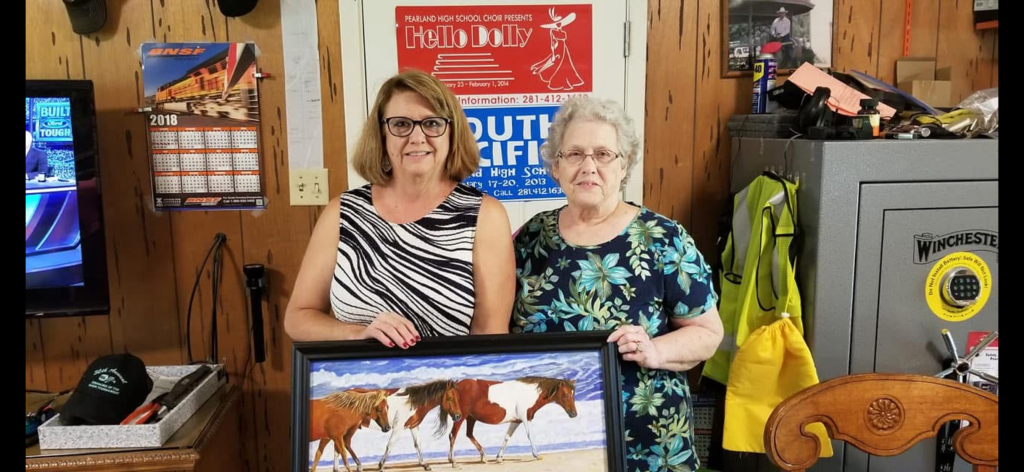
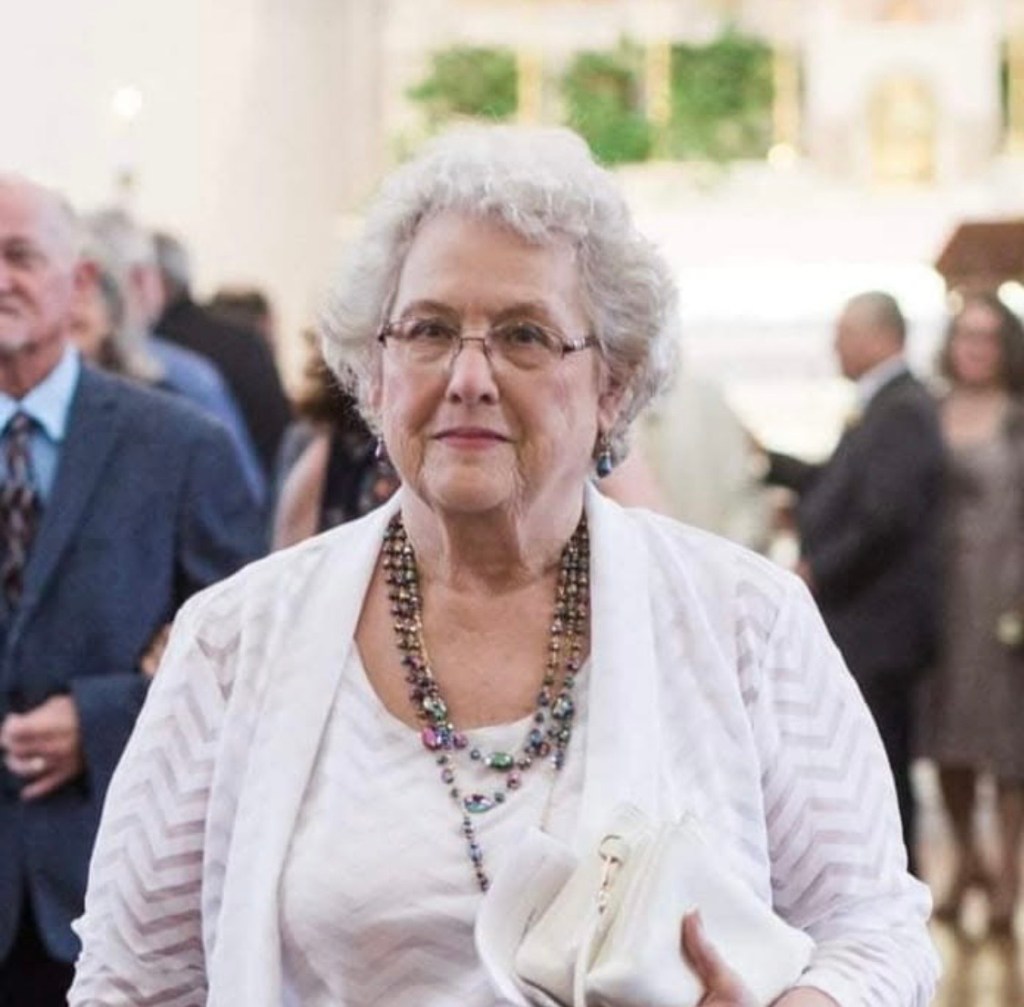
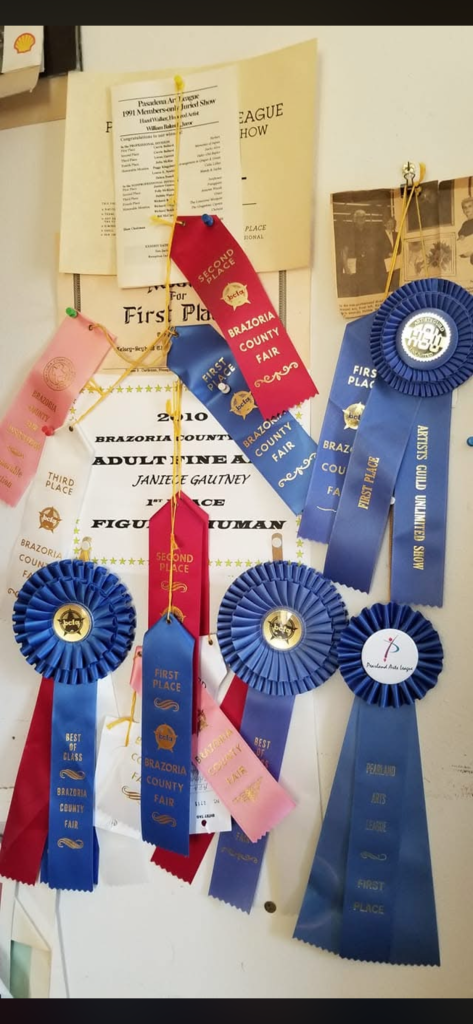
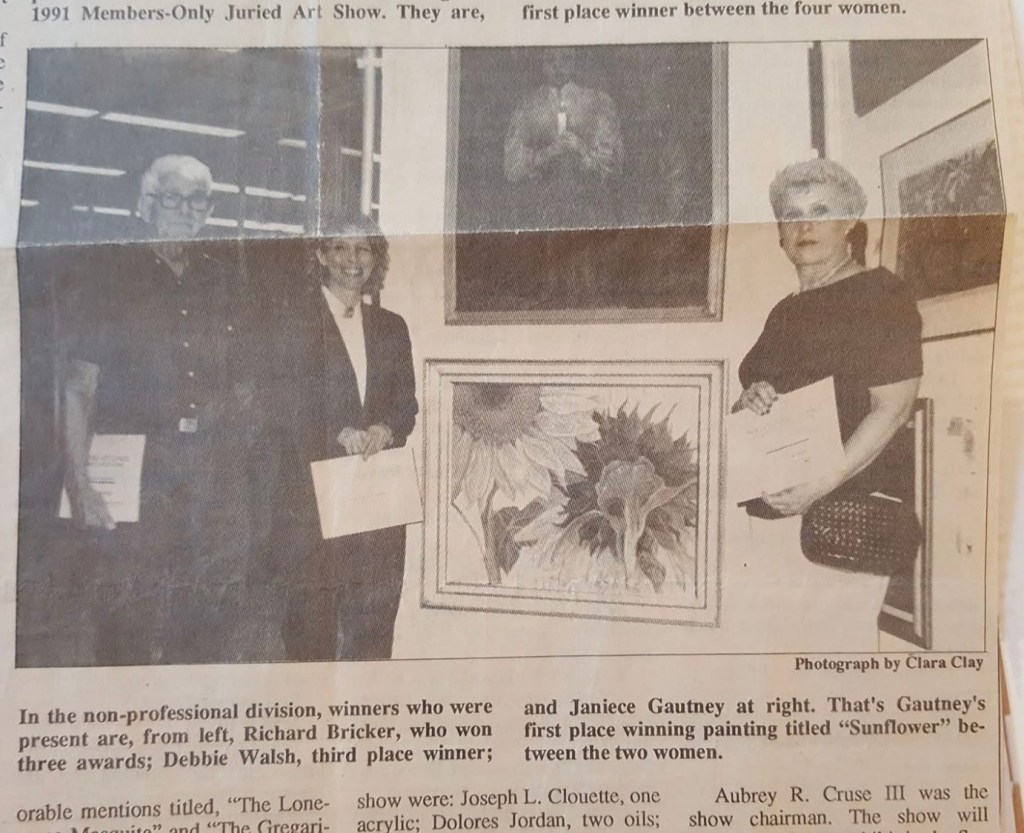
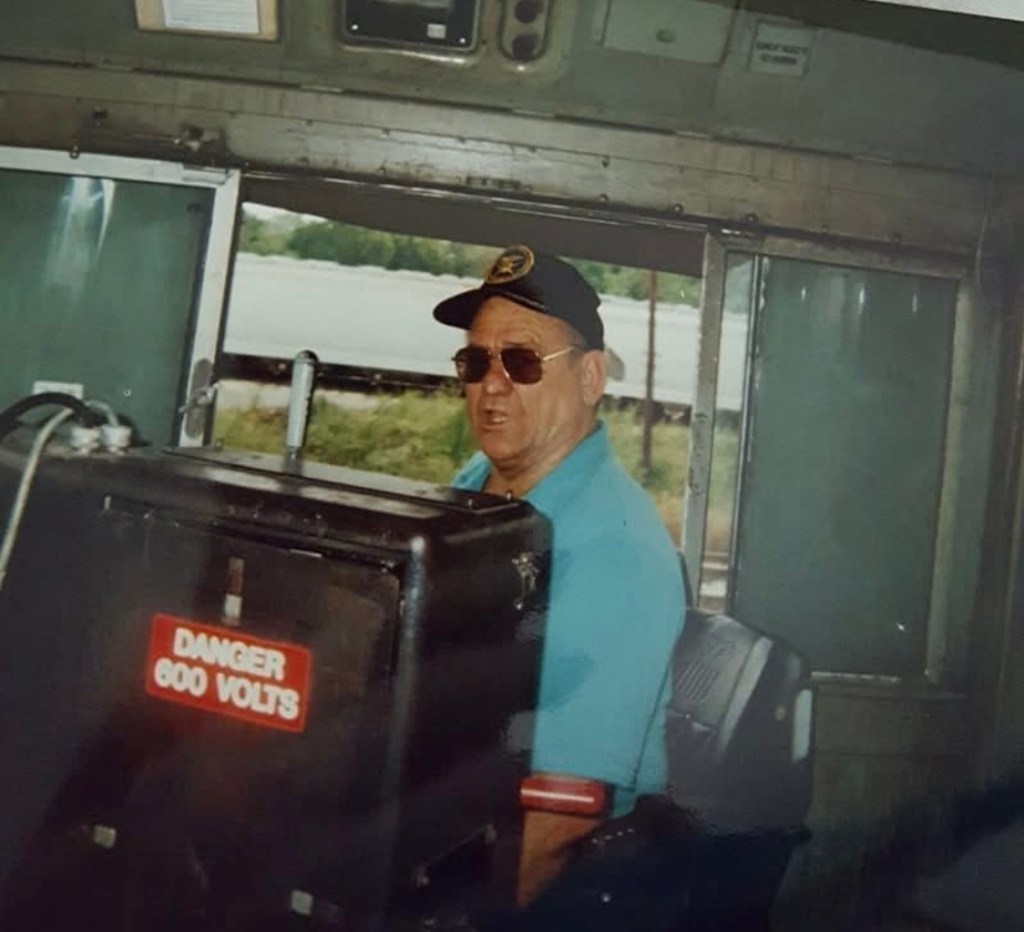
My grandfather drove trains for a living, but spent his free time making things simply because he enjoyed creating them. One of my favorite memories is of the lanterns he made from ordinary plastic flower pots, drilling tiny patterns into them and placing lights inside. At night they glowed like something out of a fairy tale.
Creativity wasn’t unusual in our family.
Making things was simply part of life.
I didn’t realize how unusual that was until much later.
Lineage and Legacy
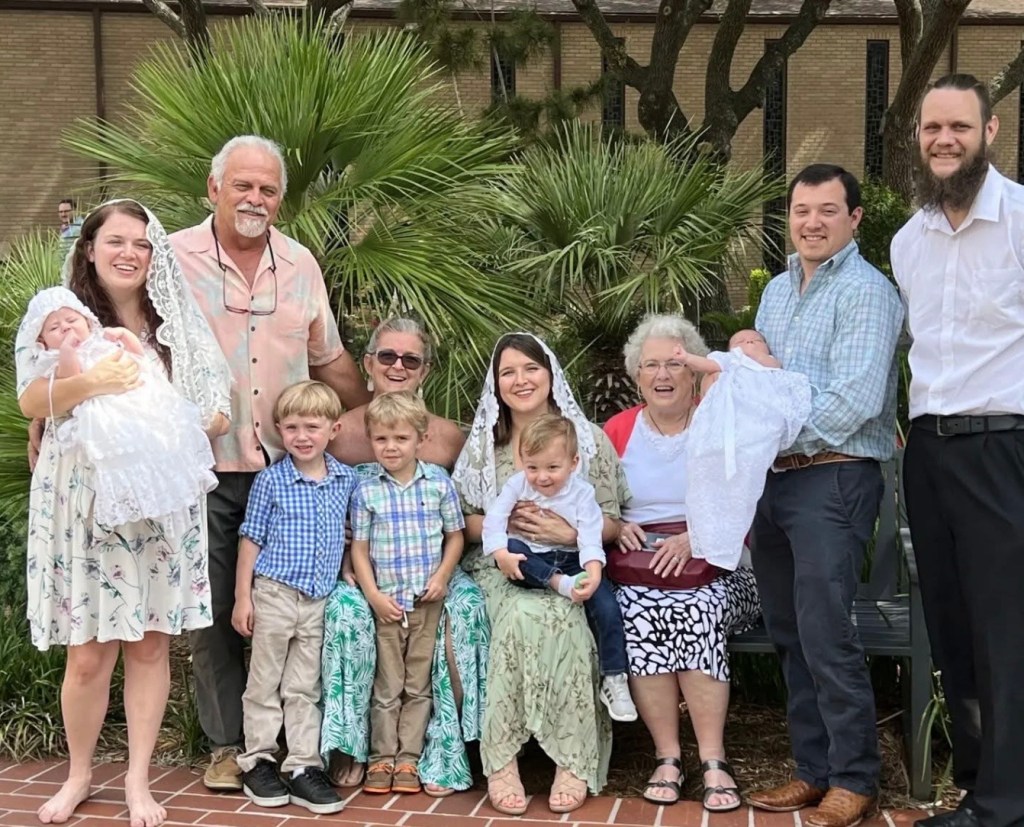
As Father’s Day approaches, I’ve been thinking about how much of what we become is inherited.
Not just eye color.
Not just mannerisms.
But values.
Interests.
Ways of seeing the world.
Sometimes we inherit a skill.
Sometimes we inherit an appreciation for a skill.
Sometimes we inherit the confidence to try.
Looking back now, calligraphy feels less like a random career choice and more like my lineage and my legacy.
A father who painted signs.
A mother who believed beautiful handwriting still mattered.
A grandmother who painted landscapes.
A grandfather who found joy in making things with his hands.
None of those influences seemed remarkable at the time.
They simply felt like home.
Where This Story Really Began
Today, when I sit down to write a name on an envelope, engrave a bottle, or teach someone their first calligraphy strokes, I’m aware that my story didn’t begin with me.
It began with the people who came before me.
The people who taught me patience.
Attention.
Discipline.
Craftsmanship.
Creativity.
The people who showed me that beautiful things are worth making by hand.
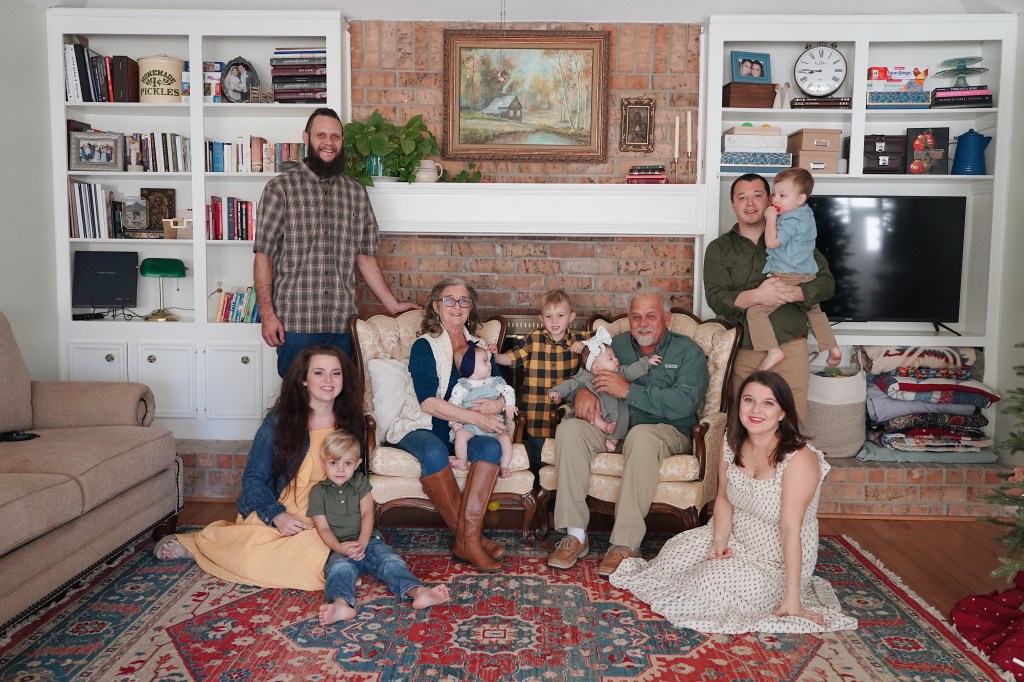
The older I get, the more grateful I become for those gifts.
Because long before I was a calligrapher, I was a sign painter’s daughter.
And maybe that’s where this story really began.
Ready to Create Something Meaningful?
If you’re drawn to handcrafted work, thoughtful details, and pieces created with care, I would love to help bring your vision to life.
You can explore more of my work on the Wofford Calligraphy homepage, learn more about custom and live personalization services, or reach out through the contact page below to start the conversation.


Leave a Reply