My grandmother’s engraved ornament from 1991 still carries the tiny irregularities of her hand.
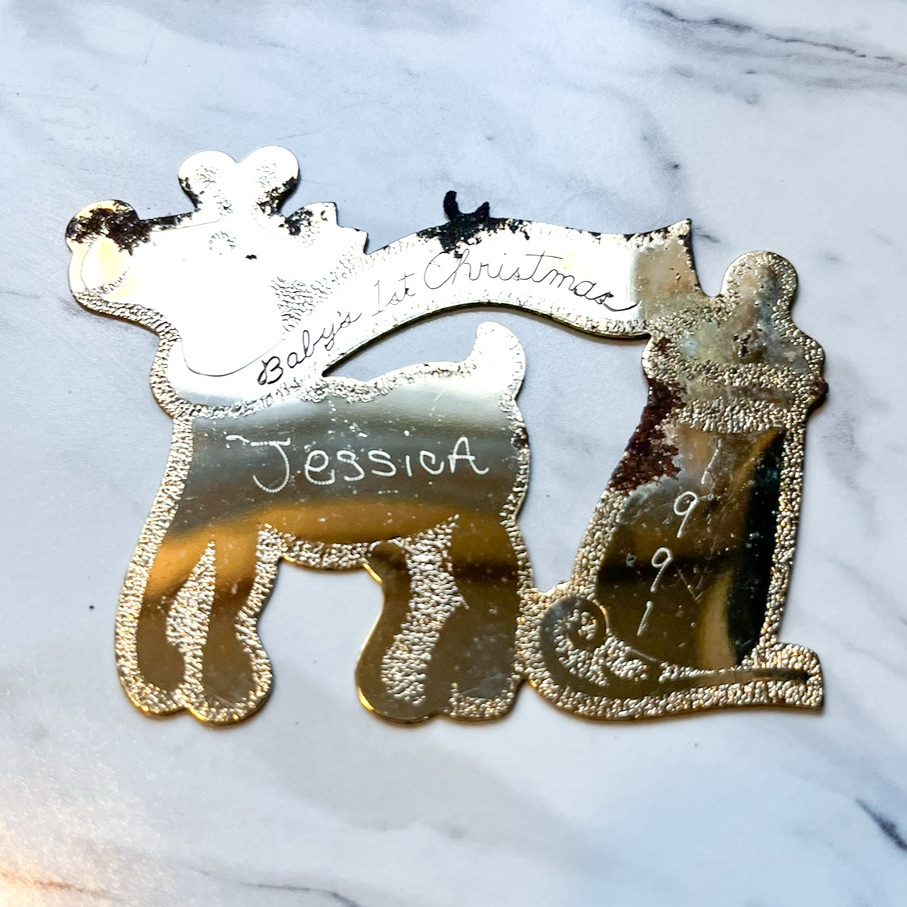
The lines are not perfectly uniform. The spacing shifts slightly in places. You can tell it was made slowly, carefully, by a real person sitting down and creating something meant to last.
And somehow, I think that’s exactly why it still feels so alive to me now.
Not in spite of the imperfections. Because of them.
This year, while co-teaching art classes in our homeschool co-op, I watched my son struggle deeply with perfectionism.
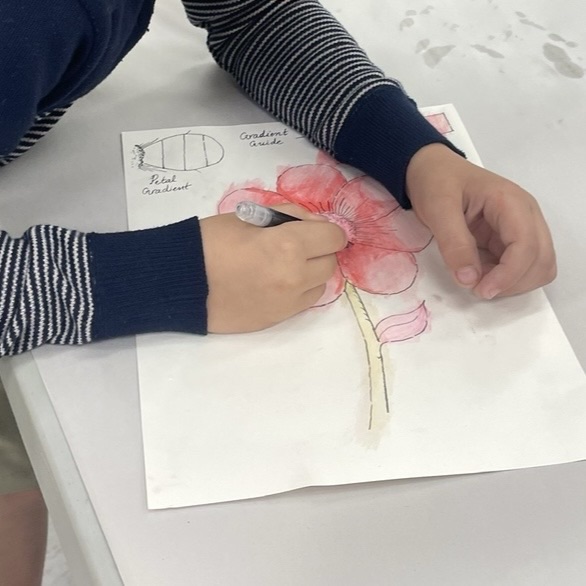
perfect is not art
Every small mistake felt enormous to him. If something didn’t come out exactly right the first time, he became frustrated almost immediately.
And somewhere in the middle of encouraging him through it, I realized I was also articulating something I had slowly come to believe myself:
Perfect is not art.
What Makes Something Feel Alive
Anyone can print something perfectly now.
Machines can produce flawless lines, exact spacing, and near-identical copies over and over again. We live in a world full of polished, digital perfection.
But perfection has never been the thing that moves people most deeply.
The things people hold onto, the pieces that become heirlooms, almost always carry evidence of the human hand.
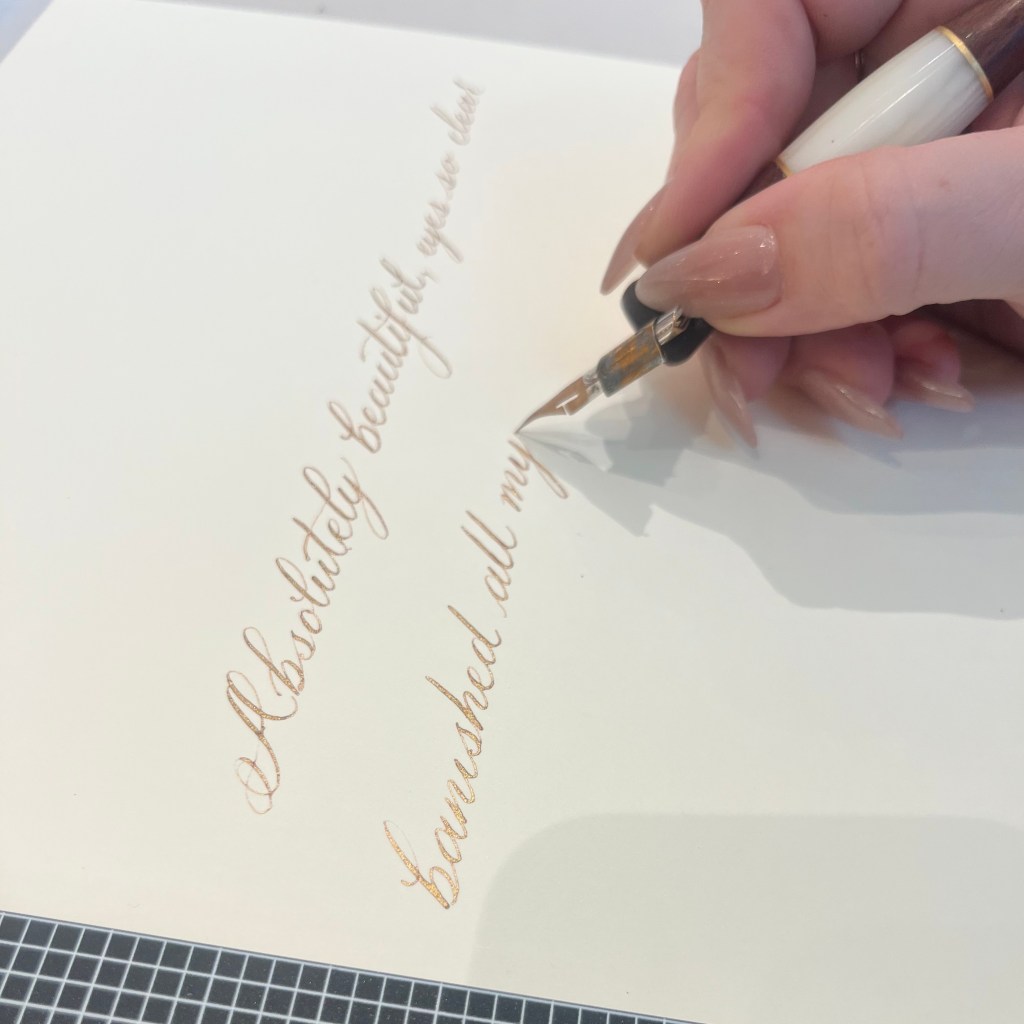
A slight variation in pressure.
A tiny inconsistency in lettering.
The movement of ink across paper.
The subtle unevenness of something created slowly rather than manufactured instantly.
These things are not flaws to eliminate.
They are proof that a person was there.
The Evidence of the Human Hand
I think part of why handmade work matters so much right now is because we are surrounded by things that are designed to feel increasingly less human.
Mass-produced. Instant. Disposable. Perfectly polished.
And yet the things people treasure most are often the opposite.
The handwritten recipe card.
The engraved ornament.
The note tucked into a book.
The piece that could never be replicated exactly the same way twice.
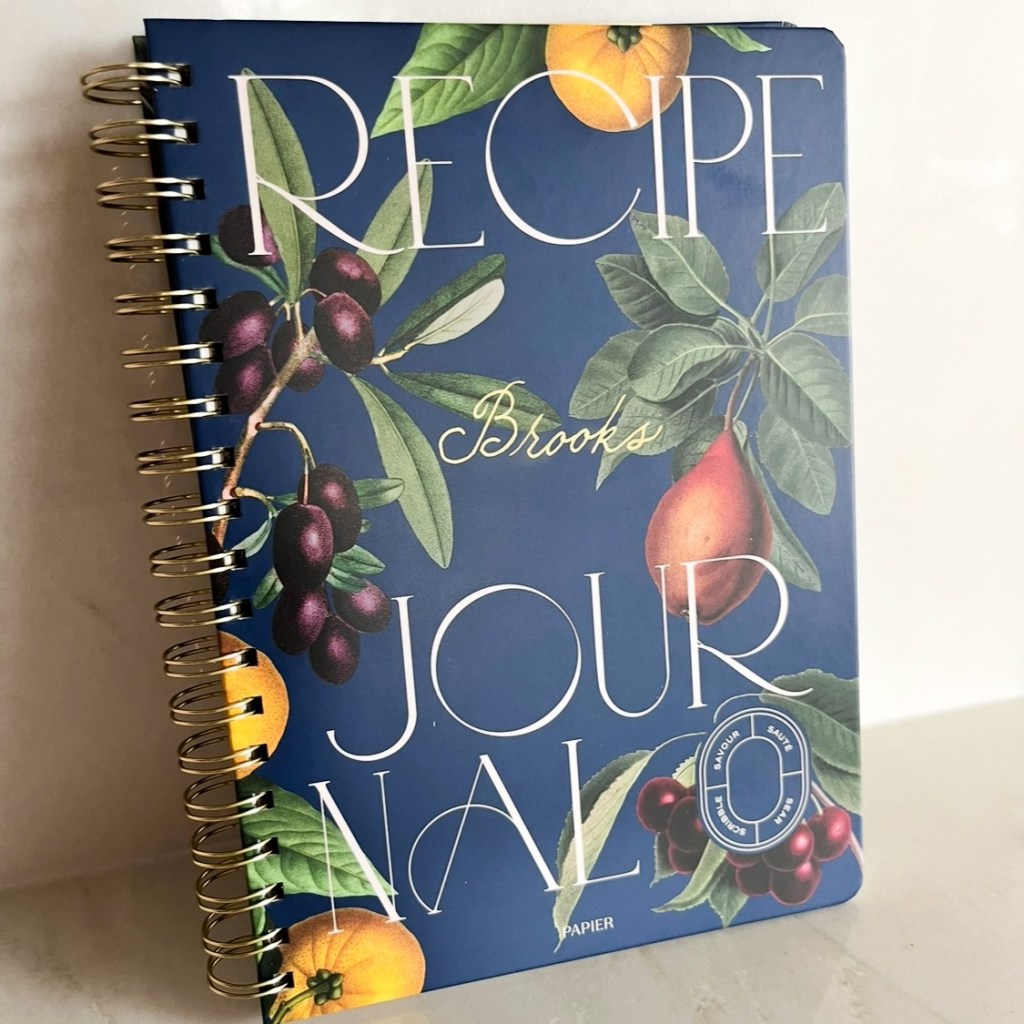
Not because they are technically perfect, but because they carry presence inside them.
Art Is Not an Attempt at Perfection
The older I get, the more I believe that art is not an attempt to achieve perfection.
It’s an attempt to participate in beauty.
To take the gifts, materials, and abilities we’ve been given and create something meaningful with our own imperfect hands.
There is humility in that.
Because no matter how skilled we become, our work will never rival the perfection already present throughout creation itself.
And maybe that’s part of why humans make art in the first place.
Not to replace what is perfect, but to respond to it.
Why Handmade Things Stay With Us
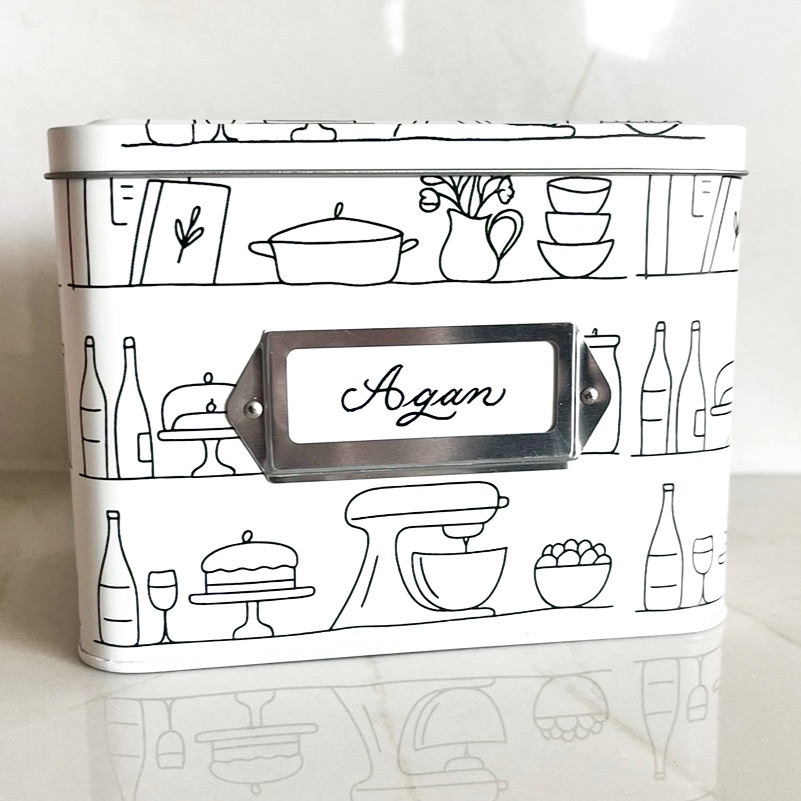
I think that’s also why handcrafted work often feels different emotionally.
You can sense the humanity in it.
The time it took.
The attention.
The care.
The slight irregularities that remind you someone made this intentionally, one movement at a time.
Not rushed.
Not automated.
Not optimized into sameness.
Just made by a person.
That ornament from 1991 still hangs on our tree every year.
And every time I look at it, I can still see my grandmother’s hand in it.
Not because it was perfect.
But because it wasn’t.
Ready to Create Something Meaningful?
If you’re drawn to handcrafted details that feel personal, intentional, and deeply human, I would love to create something for you.
Whether it’s a live event, a meaningful gift, or a piece designed to be kept for years to come, you can explore more of my work on the Wofford Calligraphy homepage, learn more about custom and live personalization services, or reach out through the contact page below to start the conversation.


Leave a comment